
![Upper Facial Muscle Balance: Frontalis & Brow Depressors <br>[Asymmetry Series: Part 2A]](https://drtimpearce.com/wp-content/uploads/2026/01/Jude-Harford-Nurse-Practitioner.jpg)


Note:
This article was written by a guest contributor from our community. The views and clinical opinions expressed here belong to the author and do not necessarily reflect the opinions or endorsements of Dr Tim Ltd.
 Dr Tim Pearce
 Dr. Dima Maraqa is a dentist and aesthetic practitioner based in Amman, Jordan, specializing in non-surgical facial aesthetics since 2016. She has a strong passion for the science and technology behind every procedure she performs. She believes that true beauty starts with knowledge, precision, and evidence-based techniques. Her approach focuses on achieving natural, safe, and long-lasting results for every patient.
https://www.instagram.com/dimamaraqa
Inflamaging — a term combining inflammation and aging — describes a chronic, low‑grade inflammatory state that develops progressively with age. Unlike acute inflammation, which is protective and self‑limited, inflamaging is silent, persistent, and cumulative. It is driven by cellular senescence, immune dysregulation, oxidative stress, and mitochondrial dysfunction. Over time, this inflammatory milieu accelerates tissue degeneration internally and manifests externally through visible skin aging. Understanding inflamaging allows aesthetic practitioners to address aging at its biological roots rather than treating surface changes alone.
At the cellular level, aging tissues accumulate senescent cells that no longer divide but remain metabolically active. These cells secrete pro‑inflammatory mediators collectively known as the senescence‑associated secretory phenotype (SASP), including interleukin‑6 (IL‑6), interleukin‑1β (IL‑1β), tumor necrosis factor‑α (TNF‑α), and matrix metalloproteinases (MMPs). These mediators degrade extracellular matrix components, disrupt fibroblast function, and impair tissue regeneration.
Mitochondrial dysfunction further amplifies inflamaging by increasing reactive oxygen species (ROS) production. Excess ROS activates nuclear factor‑κB (NF‑κB) and inflammasome pathways, perpetuating inflammatory signaling. In parallel, immunosenescence reduces the efficiency of immune clearance, allowing senescent cells and inflammatory mediators to persist. This self‑sustaining cycle links molecular aging processes directly to structural tissue decline.
The skin is particularly vulnerable to inflamaging due to its constant exposure to environmental stressors. Chronic inflammation disrupts collagen synthesis, accelerates elastin fragmentation, and alters glycosaminoglycan content, including hyaluronic acid. Dermal thinning, reduced hydration, and impaired barrier function follow.
Clinically, inflamaging manifests initially as subtle changes: fine lines, uneven texture, dullness, and early dyschromia. Over time, these changes progress to deeper wrinkles, laxity, and compromised regenerative capacity. Importantly, these visible signs often appear before overt systemic disease, positioning the skin as an early marker of biological aging.
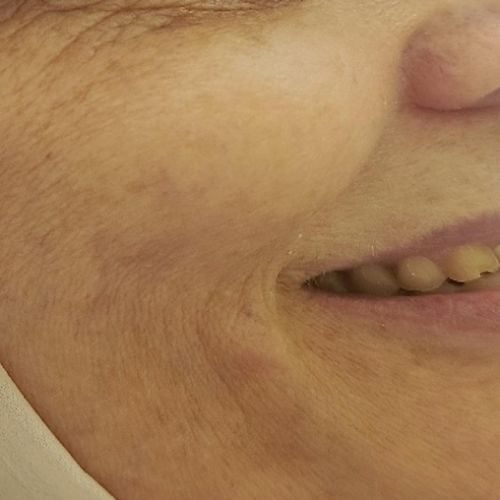
Figure 1. Clinical close‑up showing early fine lines around the periorbital region, representing early structural and inflammatory skin aging. Image courtesy of Dima Maraqa Clinic, Amman, Jordan. Published with patient consent
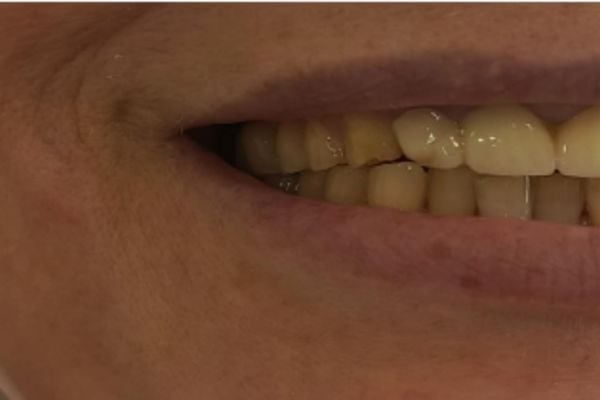
Figure 2. Early perioral fine lines and textural changes associated with chronic low‑grade inflammation and dermal matrix degradation. Image courtesy of Dima Maraqa Clinic, Amman, Jordan. Published with patient consent.
These early signs reflect underlying inflammatory activity rather than chronological age alone and highlight the importance of early intervention.
From an aesthetic perspective, inflamaging explains why some patients demonstrate accelerated aging despite minimal sun exposure or healthy lifestyles. Chronic inflammation alters tissue quality, reducing the effectiveness and longevity of aesthetic treatments if not addressed holistically.
Hyaluronic acid (HA) fillers not only restore volume but also improve hydration and modulate inflammatory signaling. Biostimulatory agents such as poly‑L‑lactic acid (PLLA) promote collagen neogenesis and improve dermal resilience over time. However, optimal outcomes require addressing the inflammatory environment through skin barrier repair, antioxidant support, and patient‑specific treatment planning.
Preventive strategies should target both intrinsic and extrinsic drivers of inflammation. These include:
Early, consistent interventions can slow the progression of inflamaging and improve long‑term aesthetic outcomes.
By integrating biological understanding with clinical observation, practitioners can deliver more effective, natural, and sustainable aesthetic outcomes.
This article was written by a guest contributor from our community. The views and clinical opinions expressed here belong to the author and do not necessarily reflect the opinions or endorsements of Dr Tim Ltd.
Dr Tim Pearce MBChB BSc (Hons) MRCGP founded his eLearning concept in 2016 in order to provide readily accessible BOTOX® and dermal filler online courses for fellow Medical Aesthetics practitioners. His objective was to raise standards within the industry – a principle which remains just as relevant today.
Our exclusive video-led courses are designed to build confidence, knowledge and technique at every stage, working from foundation level to advanced treatments and management of complications.
Thousands of delegates have benefited from the courses and we’re highly rated on Trustpilot. For more information or to discuss which course is right for you, please get in touch with our friendly team.


![Upper Facial Muscle Balance: Frontalis & Brow Depressors <br>[Asymmetry Series: Part 2A]](https://drtimpearce.com/wp-content/uploads/2026/01/Jude-Harford-Nurse-Practitioner-405x260.jpg)