




Note:
This article was written by a guest contributor from our community. The views and clinical opinions expressed here belong to the author and do not necessarily reflect the opinions or endorsements of Dr Tim Ltd.
 Dr Tim Pearce
 Dr. Dima Maraqa is a dentist and aesthetic practitioner based in Amman, Jordan, specializing in non-surgical facial aesthetics since 2016. She has a strong passion for the science and technology behind every procedure she performs. She believes that true beauty starts with knowledge, precision, and evidence-based techniques. Her approach focuses on achieving natural, safe, and long-lasting results for every patient.
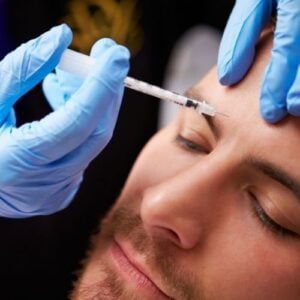
Botulinum toxin has become part of daily practice for many of us—whether it’s helping someone smooth a frown line or treating medical conditions like migraine or spasticity. It’s a treatment that gives reliable, satisfying results when done right. But every now and then, a patient says, “It didn’t work this time.” Everything seems fine—the dilution, injection sites, batch number—but the effect is weaker or wears off too fast.
This situation, called botulinum toxin resistance , isn’t common, but it is real. And as more people receive regular treatments, we’re starting to see it more often. Understanding why it happens—and how to prevent it—helps us keep treatments safe and effective for the long run.
When we say a patient is “resistant,” it usually means one of two things:
Causes can be:
Not every lack of response means immunity—sometimes it’s practical, not biological. ( https://pubmed.ncbi.nlm.nih.gov/ )
Botulinum toxin is a foreign protein. When given frequently or in high doses, the immune system may start producing neutralizing antibodies that block its effect. Older formulations contained complexing proteins that increased immunogenicity. Modern versions, such as Xeomin® (incobotulinumtoxinA) , contain only the active neurotoxin—no complexing proteins—and may lower the risk of antibody formation. ( https://pubmed.ncbi.nlm.nih.gov/ )
From both studies and clinical experience, a few risk factors stand out:
Prevention checklist: * Use the lowest effective dose
If a patient stops responding, go step-by-step:
If all else looks correct, consider true antibody resistance. Antibody testing exists but isn’t practical for most clinics—clinical judgment matters most. Local activity can be tested with a simple frontalis or extensor digitorum brevis test. ( https://pubmed.ncbi.nlm.nih.gov/ )
When resistance seems likely, you can:
Resistance doesn’t mean failure—it means adapting the plan. ( https://pubmed.ncbi.nlm.nih.gov/ )
Because reversing antibody-based resistance is difficult, prevention is key:
These habits protect your results and strengthen patient trust.
New formulations are being developed with longer-lasting effects and fewer immune responses. Recombinant technology and synthetic peptides are helping refine toxin structure, and research is ongoing to identify patients genetically prone to antibody formation. ( https://pubmed.ncbi.nlm.nih.gov/ )
Resistance to botulinum toxin is a fascinating example of the body’s adaptability. While still rare, awareness is growing in aesthetic medicine. By focusing on technique, thoughtful dosing, and honest communication, we can ensure consistent results and protect long-term success.
This article was written by a guest contributor from our community. The views and clinical opinions expressed here belong to the author and do not necessarily reflect the opinions or endorsements of Dr Tim Ltd.
Dr Tim Pearce MBChB BSc (Hons) MRCGP founded his eLearning concept in 2016 in order to provide readily accessible BOTOX® and dermal filler online courses for fellow Medical Aesthetics practitioners. His objective was to raise standards within the industry – a principle which remains just as relevant today.
Our exclusive video-led courses are designed to build confidence, knowledge and technique at every stage, working from foundation level to advanced treatments and management of complications.
Thousands of delegates have benefited from the courses and we’re highly rated on Trustpilot. For more information or to discuss which course is right for you, please get in touch with our friendly team.





Comments (3)
Dr Dima Maraqa
Jan 04, 2026Experience teach us that biology always has the final word
Sumaia Baker
Jan 02, 2026Thanks for good information
Dr. Isam Musharbash
Jan 01, 2026Thank you, Dr. Dima, for the valuable and insightful information you shared on the causes and mechanisms of botulinum toxin resistance. Your explanation was clear, informative, and greatly enhanced our understanding of this important topic.